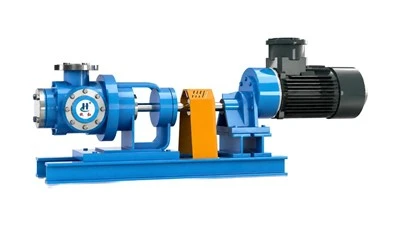
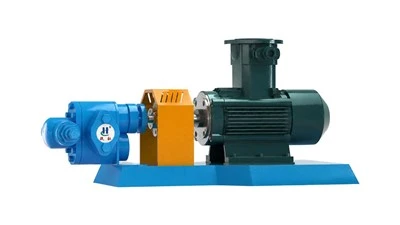
Correct installation is the single most influential factor determining whether a horizontal chemical centrifugal pump achieves its design life. Even a well-manufactured pump will fail prematurely if the foundation is inadequate, the piping imposes excessive strain, or the alignment between pump and driver is neglected.
The foundation must be rigid and capable of absorbing vibration without settling. A properly designed concrete foundation, typically at least 150 mm thick and massed sufficiently to dampen dynamic loads, provides the stability the pump requires. The pump baseplate should be leveled and grouted after alignment checks are complete. Grout fills the space between the baseplate and foundation, transferring loads uniformly and preventing corrosion under the baseplate. Cheap or improperly mixed grout is a common cause of long-term alignment drift.
Piping connection is a frequent source of trouble. The pump should never be used as a pipe support. Suction and discharge piping must be independently supported and aligned so that flange faces meet without forcing. Bolts should be tightened evenly in a star pattern, and the final connection should produce no visible movement of the pump casing. Excessive pipe strain can distort the casing, misalign the bearing housing, and cause rapid seal and bearing failure. Expansion joints, if used, must be properly anchored so that their reaction forces do not act on the pump flanges.
Suction piping deserves particular attention. A long-radius elbow installed immediately at the suction flange, with a straight run of at least five to ten pipe diameters upstream, promotes uniform flow into the impeller eye. A reducer, if needed, should be eccentric with the flat side up to avoid trapping air. A strainer installed in the suction line protects the pump from construction debris and scale, but the strainer must be sized generously and cleaned regularly to avoid excessive pressure drop.
Alignment between the pump shaft and motor shaft is critical for coupled units. Rough alignment during installation is followed by precision alignment using dial indicators or laser alignment tools after the baseplate is grouted and piping is connected. Thermal growth-the expansion of the pump and motor as they reach operating temperature-must be accounted for in the cold alignment specification. A pump that is perfectly aligned when cold may be significantly misaligned when hot if thermal offsets are ignored.
Finally, pre-commissioning checks should confirm rotation direction, coupling guard installation, seal and cooling system readiness, and instrument calibration. A brief run at low flow with the discharge valve cracked open allows operators to verify that the pump builds pressure, runs smoothly, and shows no signs of cavitation or overheating before the unit is placed into full service.