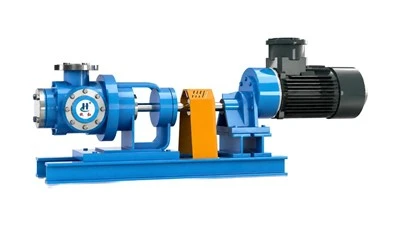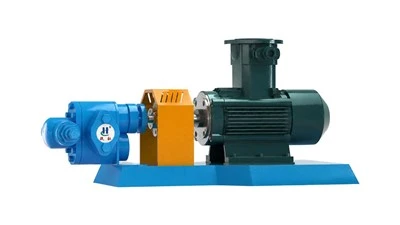
Horizontal chemical centrifugal pumps reward systematic maintenance with extended service life and reduced unplanned downtime. The challenge is that maintenance resources are finite, and not every pump requires the same level of attention. A risk-based approach, informed by condition monitoring, allocates effort where it matters most.
Vibration monitoring is the cornerstone of rotating equipment condition assessment. Baseline vibration readings taken after commissioning provide a reference against which future measurements are compared. Rising vibration amplitudes at the running speed or at vane-pass frequency often indicate impeller imbalance, misalignment, or bearing wear. High-frequency vibration, detected through acceleration measurements, can reveal early-stage bearing defects before they become audible or catastrophic. For critical chemical pumps, permanent vibration sensors with trend alarms allow operators to detect deterioration without waiting for scheduled inspection rounds.
Lubrication management is equally important. Bearing oil levels should be checked regularly, and oil changes performed at intervals specified by the manufacturer or adjusted based on oil analysis results. Oil analysis can detect water contamination, particulate wear debris, and oxidation, providing early warning of bearing distress or seal leakage into the oil sump. Grease-lubricated bearings require periodic relubrication, but over-greasing is as harmful as under-greasing, particularly in high-speed applications where excess grease can cause overheating.
Mechanical seal performance deserves continuous attention. Seal leakage, even minor drips from a single seal, indicates face wear or secondary seal degradation. For dual seals, barrier fluid pressure and flow must be verified regularly; loss of barrier pressure allows the inner seal to run dry or process fluid to contaminate the barrier circuit. Seal flush lines should be checked for obstruction, and filters or strainers in flush systems cleaned or replaced.
Performance monitoring provides a system-level view of pump health. A gradual decrease in discharge pressure or flow rate, accompanied by increased power draw, may indicate impeller wear, internal recirculation, or fouling. In chemical service, crystallization or polymerization on impeller surfaces can degrade performance without obvious mechanical symptoms. Tracking pump curve deviations against baseline data allows maintenance planning before a minor issue becomes a forced outage.
Spare parts strategy should reflect the criticality of the pump and the lead time for replacement components. Mechanical seals, bearings, and gaskets are consumables with finite shelf lives and should be stocked for critical units. Impellers and shafts may be stocked if lead times are long or if the pump is a single point of failure in a continuous process. A planned overhaul interval-typically every three to five years for chemical pumps in clean service, shorter for abrasive or high-temperature duties-allows worn components to be replaced before they fail in service.