c
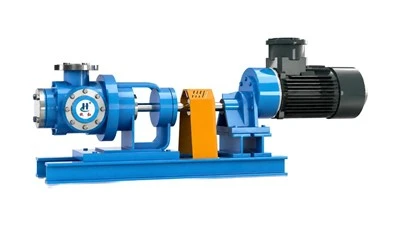
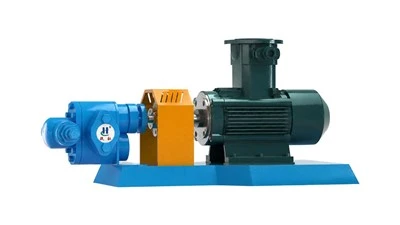
In its most common form, the horizontal chemical pump is a single-stage, end-suction machine with the impeller overhung on a shaft that is supported by bearings in a bearing housing. The pump casing is split horizontally or radially, with suction and discharge nozzles arranged at 90 degrees or 180 degrees depending on the specific design standard. The shaft extends horizontally from the bearing frame, connecting to the impeller inside the volute. This horizontal orientation distinguishes it from vertical chemical pumps, which are often designed for sump or in-tank service where vertical shaft alignment is necessary.
The operating principle is straightforward. Liquid enters the suction nozzle and flows axially into the eye of the rotating impeller. As the impeller spins, its vanes impart kinetic energy to the liquid, accelerating it radially outward into the volute casing. The volute's gradually expanding cross-section converts a significant portion of that kinetic energy into pressure energy, allowing the liquid to be discharged at a higher pressure through the outlet nozzle. The geometry of the impeller and volute is optimized through computational fluid dynamics to balance efficiency, head generation, and resistance to clogging.
What separates the chemical pump from a general water pump is the attention given to containment and material compatibility. Chemical pumps are designed with sealing systems-mechanical seals or packed glands-that minimize leakage of aggressive fluids. Wetted components are selected from corrosion-resistant alloys, fluoropolymers, or technical ceramics depending on the specific chemistry involved. The bearing housing is typically isolated from the pumped fluid by the seal chamber, and many designs incorporate cooling or heating jackets to manage temperature-sensitive processes.
Modern horizontal chemical pumps also feature back pull-out designs, allowing the rotating assembly to be removed for maintenance without disturbing the suction and discharge piping. This reduces downtime and simplifies seal replacement. Coupled with standardized mounting dimensions under ISO 2858 or API 610, the horizontal chemical centrifugal pump remains a practical, serviceable, and highly configurable solution for demanding fluid handling duties.