


Hey there! As a supplier of Axial Split Casing Pumps, I've been getting a lot of questions lately about retrofit options. So, I thought I'd put together this blog post to share some insights on what you can do to upgrade your existing axial split casing pump.
Why Retrofit an Axial Split Casing Pump?
Before we dive into the retrofit options, let's quickly talk about why you might want to retrofit your pump in the first place. There are several reasons:
- Improve Efficiency: Older pumps may not be as efficient as newer models. By retrofitting, you can reduce energy consumption and save on operating costs.
- Enhance Performance: Upgrading certain components can improve the pump's flow rate, head, and overall performance.
- Increase Reliability: Replace worn-out parts to reduce the risk of breakdowns and unplanned downtime.
- Meet New Requirements: If your process requirements have changed, a retrofit can help your pump meet the new demands.
Retrofit Options
Impeller Replacement
The impeller is one of the most critical components of a pump. Over time, it can wear out due to erosion, corrosion, or cavitation. Replacing the impeller with a new, high - efficiency design can significantly improve the pump's performance.
A well - designed impeller can increase the pump's hydraulic efficiency, which means it can move more water with less energy. You can choose an impeller made from more durable materials, such as stainless steel or bronze, to resist corrosion and wear. This is especially important if your pump is handling abrasive or corrosive fluids.
Casing Repair or Replacement
The casing of an axial split casing pump can also suffer from wear and tear. Cracks, corrosion, or erosion in the casing can lead to leaks and reduced performance.
If the damage is minor, you may be able to repair the casing using welding or other repair techniques. However, if the damage is extensive, it may be more cost - effective to replace the casing. A new casing can be designed to improve the pump's hydraulic performance and reduce internal leakage.
Seal Upgrade
Seals are essential for preventing fluid leakage from the pump. Old or worn seals can cause leaks, which not only waste fluid but can also lead to environmental problems and damage to other pump components.
Upgrading to a more advanced seal design, such as a mechanical seal, can provide better sealing performance and longer service life. Mechanical seals are designed to handle high pressures and temperatures and can be more reliable than traditional packing seals.

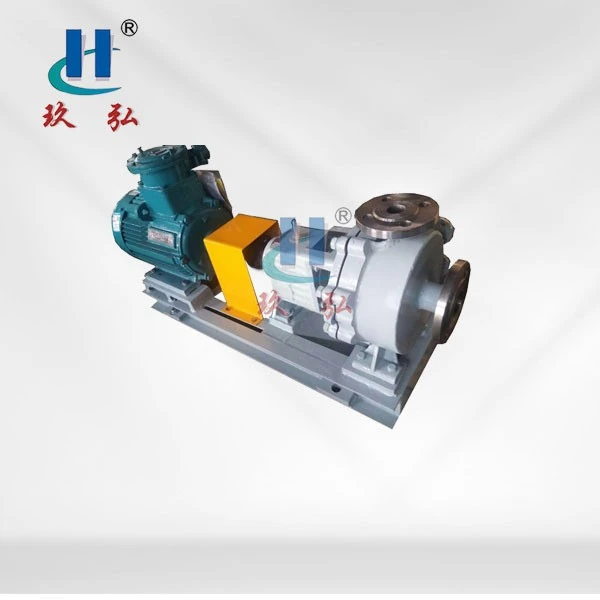
Motor Upgrade
The motor is the power source for the pump. If your pump's motor is old or inefficient, upgrading it can improve the overall efficiency of the pump system.
A more efficient motor can reduce energy consumption and operating costs. You can also choose a motor with a higher power rating if your pump needs to handle increased flow or head requirements. Additionally, modern motors often come with advanced control features, such as variable frequency drives (VFDs), which allow you to adjust the motor speed based on the pump's actual demand.
Bearing Replacement
Bearings support the rotating shaft of the pump and ensure smooth operation. Worn or damaged bearings can cause excessive vibration, noise, and premature failure of the pump.
Replacing the bearings with high - quality, precision - engineered bearings can improve the pump's reliability and reduce maintenance requirements. You can also choose bearings with a longer service life and better resistance to wear and corrosion.
Single Stage vs. Multi - stage Retrofits
When considering a retrofit, you also need to think about whether your pump is a Single Stage Centrifugal Pump or a Multi - stage Centrifugal Pump.
- Single Stage Pumps: These pumps are typically used for applications with lower head requirements. Retrofits for single - stage pumps may focus on improving the impeller design, upgrading the seals, or replacing the motor for better efficiency.
- Multi - stage Pumps: Multi - stage pumps are used for high - head applications. Retrofits for multi - stage pumps may involve replacing multiple impellers, upgrading the casing to handle higher pressures, and optimizing the inter - stage components for better performance.
Custom Retrofits
In some cases, a standard retrofit may not be enough to meet your specific requirements. That's where custom retrofits come in.
As a Axial Split Casing Pump supplier, we have the expertise and resources to design and implement custom retrofit solutions. We can work with you to understand your process requirements, analyze your existing pump system, and develop a retrofit plan that is tailored to your needs.
Whether you need to increase the pump's flow rate, improve its efficiency, or make it more reliable, we can help. Our team of engineers can use advanced design tools and simulation software to optimize the retrofit design and ensure that it meets your expectations.
Conclusion
Retrofitting an axial split casing pump can be a cost - effective way to improve its performance, efficiency, and reliability. There are several retrofit options available, including impeller replacement, casing repair or replacement, seal upgrade, motor upgrade, and bearing replacement.
Whether you have a single - stage or multi - stage pump, there are solutions that can be customized to meet your specific needs. If you're interested in learning more about retrofit options for your axial split casing pump, don't hesitate to reach out. We're here to help you make the most of your pump system and ensure that it operates at its best.
References
- Pump Handbook, Karassik et al.
- Hydraulic Institute Standards


