


在线清洗式喂料螺杆泵(Online cleaning Progressive cavity pump)

One of the main characteristics of online cleaning progressive cavity pump is its ability to perform cleaning operations while in operation. This means that the pump can self-clean and flush out any accumulated debris or sediment without the need for shutdown or disassembly. The cleaning process is achieved by injecting cleaning agents or water into the pump through a dedicated cleaning port or nozzles. The cleaning agents will flow through the rotor-stator cavities, dislodging and flushing out any contaminants that may cause clogging or wear.
Another important feature of online cleaning progressive cavity pump is its adaptability to variable process conditions. This pump can handle fluids with varying viscosities, temperatures, pressures, and densities without sacrificing its performance and reliability. It can also handle particulate-laden fluids, shear-sensitive fluids, and abrasive fluids without causing damage to the fluid or the pump components.
Online cleaning progressive cavity pump also has a compact and modular design, which makes it easy to install, operate, and maintain. The pump components are readily accessible and can be replaced or upgraded without the need for specialized tools or expertise. The pump also has low noise and vibration levels, which makes it suitable for use in sensitive environments or applications.
In conclusion, online cleaning progressive cavity pump is a versatile and efficient pump that offers unique features and benefits for various applications. Its self-cleaning capability, adaptability, and ease of maintenance make it a popular choice for industries such as food and beverage, chemical, wastewater, mining, and oil and gas.
Scope Of Application
- Petroleum industry: thick oil transportation, oil and gas transmission, oil and water separation, and waste oil recovery system.
- Chemical and pharmaceuticals: all kinds of paste, emulsion, suspension, etc.
- Environmental engineering: various sewage transportation, dehydration sludge transportation, flocculant and the measurement and investment of their chemical preparations.
- Mineral engineering: titanium pink, kaolin, calcium carbonate, etc. production equipment, etc.
- Food industry: dairy products, fruit juice, fruit puree, vegetable sauce, beer, etc.
- The papermaking industry: raw materials equipment, pulp and wastewater treatment.
Compared with the advantages of other pumps
- Compared with the centrifugal pump, the single Progressive Cavity Pump does not require a valve, and the flow is stable linear flow.
- Compared with pneumatic diaphragm pumps, single Progressive Cavity Pumps can transport various hybrid impurities to the medium that contains gas and solid particles or fibers, and can also transport various corrosive substances.
Compared with the gear pump, the single Progressive Cavity Pump can transport high -viscosity substances.
- Different from the plunger pump, diaphragm pump and gear pump, the Progressive Cavity Pump can be used for pharmaceutical filling and measurement.
Common Accessories
- Progressive Cavity Pump stator
- Progressive Cavity Pump rotor
- Progressive Cavity Pump connecting rod
- Progressive Cavity Pump drive shaft
- Progressive Cavity Pump universal joint assembly
-
Mechanical seal/filler seal
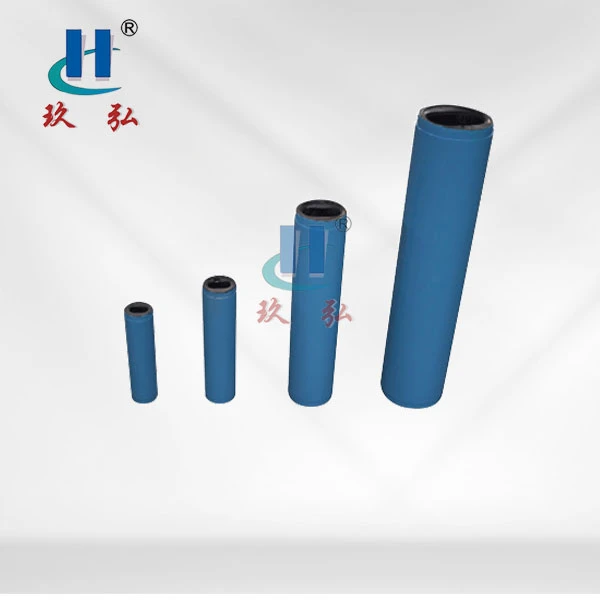
Strong of the Progressive Cavity Pump
The stator is mainly made of rubber. Because it needs to form a closed meshing cavity with the rotor, it is a convergence of the rotor. When the rotor (spindle) rotates and causes continuous friction, it will naturally wear.

Rotary of the Progressive Cavity Pump
The Progressive Cavity Pump rotor (also known as the main axis) is mostly stainless steel, and chrome -plated treatment can be selected;
Because of the meshing relationship with the geometric characteristics of the stator, in addition to natural wear, it is also related to whether the conveying medium contains solid particles and corrosiveness.
The connecting pole of the Progressive Cavity Pump
Connected rod connection rotor and drive shaft. When the motor is running, the transmission shaft drives the connecting rod, and the connecting rod is driven again to play a transmission role. Except for the drive shaft, these mechanical parts are located in the inhalation cavity of the pump.
Drive shaft of Progressive Cavity Pump
The transmission shaft is generally connected to the driver's end (reducer or various driving motors), and its wear is mostly caused by natural wear or changes in the medium working conditions.
Universal
Wanxiang section components are at both ends of the connecting rod. Successfully connect the rotor and the transmission shaft to the connecting rod; because the universal joint assembly consists of various small parts, we need to check the seal and lubrication regularly.
Progressive Cavity Pump Structure Diagram

|
No. |
Name |
Matiral |
|
1 |
Material-out chamber |
HT200, 1Cr18Ni9Ti, 304, 316L, 2205, Ti |
|
2 |
Rotor |
45#, 2Cr13, 304, 316L, 2205, Ti (Heat-treatable and electroplated Cr) |
|
3 |
Stator |
NR, NBR, Q, EPM, FKM |
|
4 |
Suction chamber |
HT200, 304, 316L, 2205, Ti |
|
5 |
Driving shaft |
45#, 2Cr13, 304, 316L, 2205, Ti (Heat-treatable and electroplated Cr) |
|
6 |
Gear motor |
/ |
|
7 |
Base plate |
45#, 2Cr13, 304, 316L, 2205, Ti |
|
8 |
Coupling rod |
45#, 2Cr13, 304, 316L, 2205, Ti (Heat-treatable and electroplated Cr) |
|
9 |
Universal joint assembly |
NBR + 45#, 2Cr13, 304, 316L |
Technical Parameters
Performance parameters during fixed speed:

Performance parameters are used for: G -type series, NW series, BN series, C -type series, etc. For specific selection, you can contact engineers
Single -level, performance parameters of gear transmission, electromagnetic speed regulating motor plus gear transmission or stepless transmission motor with gear gear:


Performance parameters are used for: G -type series, NW series, BN series, C -type series, etc. For specific selection, you can contact engineers.
1. The pressure of the single Progressive Cavity Pump is determined:
The maximum output pressure of the single Progressive Cavity Pump is determined based on the number of guides of the jersey level, that is, the number of bands:
- Level 1 Progressive Cavity Pump: high work pressure is 0.6 mPa;
- Level 2 Progressive Cavity Pump: High work pressure is 1.2 MPA;
- Level 4 single Progressive Cavity Pump: high work pressure is 2.4 mPa;
Due to the different situations of the Progressive Cavity Pump conveying medium, for the medium that contains severe wear, please refer to the number of band -grade levels.
Table 1: Choose the jujiao level according to the wear of the medium
|
Wear first |
Level |
Two levels |
|
No |
0.6MPa |
1.2MPa |
|
Generally |
0.4MPa |
0.8MPa |
|
Severe |
0.2MPa |
0.4MPa |
2. Single Progressive Cavity Pump speed selection:
Due to its structural characteristics, the single Progressive Cavity Pump is mostly used in the liquid that transports higher viscosity and liquid containing particles. Therefore, the choice of the transfer is very critical. According to experience, list Table 2 and Table 3. You can comprehensively comprehensively according to the specific situation. consider.
Table 2: Choose the Progressive Cavity Pump speed according to the abrasion of the medium
|
Wear |
Media Name |
转速(rpm) |
|
NO |
Freshwater, coagulants, oil, slurry, meat foam, paint, soapy water, blood, glycerin |
200-400 |
|
Generally |
Mud, suspended solution, industrial wastewater, paint pigment, waste silk water (sugar), mash, fish, wheat bran, rapeseed oil sediment |
100-300 |
|
Serious |
Lumper slurry, clay, mud, pottery |
50-150 |
* When the specifications of the pump are large, the speed should be lower. * The special cases that are delivered and their wear characteristics are given in the table. Please note that the characteristics of the medium change with the change of the concentration and temperature.
Table 3: Select the pump speed according to the medium viscosity
|
介质粘度(cst) |
1-1000 |
1000-10000 |
10000-100000 |
100000- 1000000 |
|
转速(rpm) |
200-400 |
100-300 |
<200 |
<100 |
* You must also be based on experience when choosing a speed, because some other factors also affect the choice of speed. At the end, it is best to negotiate with the manufacturer while determining the above values.
3. Single Progressive Cavity Pump lining rubber material selection:
The single Progressive Cavity Pump lining is a rubber product, and it is also a destructive part of the single Progressive Cavity Pump. Its choices are good or bad, which directly affects the life of the band. Generally, the life of the band is 3-6 months. , Band may fall off from the steel pipe or drop the block. Therefore, we are required to understand the basic characteristics of rubber and the adaptability of a variety of different medias, and list Table 4 and Table 5 according to our experience.
Table 4: Basic characteristics of rubber
|
Rubber characteristics |
丁晴橡胶NBR |
氯丁橡胶CR |
氟橡胶PPM |
乙丙橡胶EPDM |
|
Maximum temperature |
+90°C |
+80°C |
+120°C |
+100°C |
|
Abrasion resistance |
excellent |
very good |
excellent |
very good |
|
Aging |
very good |
very good |
excellent |
excellent |
|
Oxygen |
not work |
excellent |
excellent |
excellent |
|
Steam |
very good |
not work |
excellent |
excellent |
|
Combustion |
very good |
excellent |
excellent |
excellent |
Table 5: Common rubber bushings for single screw pumps
|
Rubber |
乙丙橡胶EPDM |
氟橡胶PPM |
氯丁橡胶CR |
丁晴橡胶NBR |
||||||
|
Water |
very good |
very good |
very good |
very good |
||||||
|
Vegetable oil |
generally |
very good |
generally |
very good |
||||||
|
Mineral oil |
not work |
very good |
generally |
very good |
||||||
|
Ammonia |
generally |
not work |
not work |
very good |
||||||
|
Aromatic solvent |
not work |
very good |
not work |
not work |
||||||
|
Thick alkali |
very good |
not work |
very good |
very good |
||||||
|
Concentrated nitric acid |
not work |
generally |
not work |
not work |
||||||
|
Glacial acetic acid |
not work |
very good |
not work |
very good |
||||||
|
Dilute sulfuric acid |
very good |
very good |
not work |
very good |
||||||
|
Concentrated sulfuric acid |
generally |
very good |
not work |
not work |
||||||
|
Dilute hydrochloric acid |
very good |
very good |
very good |
very good |
||||||
|
Concentrated hydrochloric acid |
very good |
very good |
not work |
very good |
||||||
|
Hot water |
very good |
not work |
not work |
generally |
||||||
|
Gasoline |
not work |
very good |
generally |
very good |
||||||
|
Toluene |
not work |
very good |
not work |
not work |
||||||
|
Toluene |
not work |
very good |
not work |
not work |
||||||
|
Ethanol |
very good |
very good |
very good |
generally |
||||||
|
Kerosene |
not work |
very good |
very good |
very good |
||||||
|
Diesel fuel |
not work |
very good |
not work |
very good |
||||||
|
Chloride hydrocarbon |
not work |
generally |
not work |
not work |
||||||
|
Ketone -containing material |
very good |
not work |
not work |
not work |
||||||
|
Alcohol -containing material |
very good |
very good |
very good |
very good |
||||||
|
Lipid |
very good |
not work |
not work |
not work |
||||||
|
Ether -containing material |
very good |
not work |
not work |
not work |
||||||
|
mud |
very good |
generally |
generally |
very good |
||||||
|
Phosphate |
very good |
generally |
very good |
generally |
||||||
|
Sodium carbonate |
very good |
not work |
very good |
very good |
||||||
|
Gloss |
very good |
generally |
generally |
generally |
||||||
|
Benzene 100 |
not work |
very good |
not work |
not work |
||||||
|
Acetone |
very good |
not work |
not work |
not work |
||||||
|
Linseed oil |
very good |
very good |
very good |
very good |
||||||
|
Carbonide |
not work |
very good |
not work |
not work |
||||||
4. Material combination selection:
Different material combinations are required to transport different properties.
5. Performance table:generallyThe performance table or characteristic curve of the single Progressive Cavity Pump is data when the medium (viscosity is 1CST) with 20C water. The flow and the axis power under different viscosity are different.
6. Axis:
According to the needs and conveying medium, two types of mechanical sealing and filling can be used, and these two structures can be interchangeable.
7. Driver method of pump:
Because the single Progressive Cavity Pump is a low -speed pump, there are many drivers for pumps. Generally has a low -speed motor direct connection (level 4, level 6), gear deceleration motor drive, stepless transmission driver and other methods.
Hot Tags: online cleaning progressive cavity pump, China online cleaning progressive cavity pump manufacturers, factory, progressive cavity dosing pump, progressive cavity metering pump, progressive cavity sludge pump, submersible progressive cavity pump, progressive cavity pump water, Constant Temperature Progressive Cavity Pump


